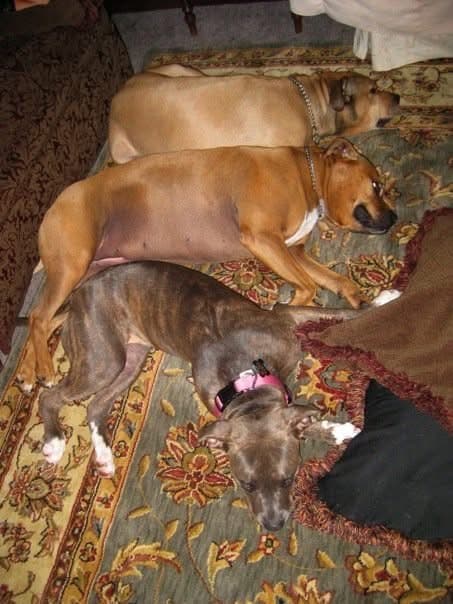
Structure
Clear expectations, boundaries, and routines help powerful dogs feel secure.
Training for bully breeds, power breeds, and working dogs through structure, clarity, confidence, and responsible ownership.
Start With a Consultation →There’s no such thing as an aggressive breed. There are dogs with genetics, drive, history, environment, and learned behavior — and there are owners who need the right structure, education, and guidance to help those dogs succeed.
A powerful dog does not need fear. A powerful dog needs clarity, consistency, and responsible leadership.
Labels create fear. Education creates understanding. Bully breeds and power breeds are often judged before they are understood.
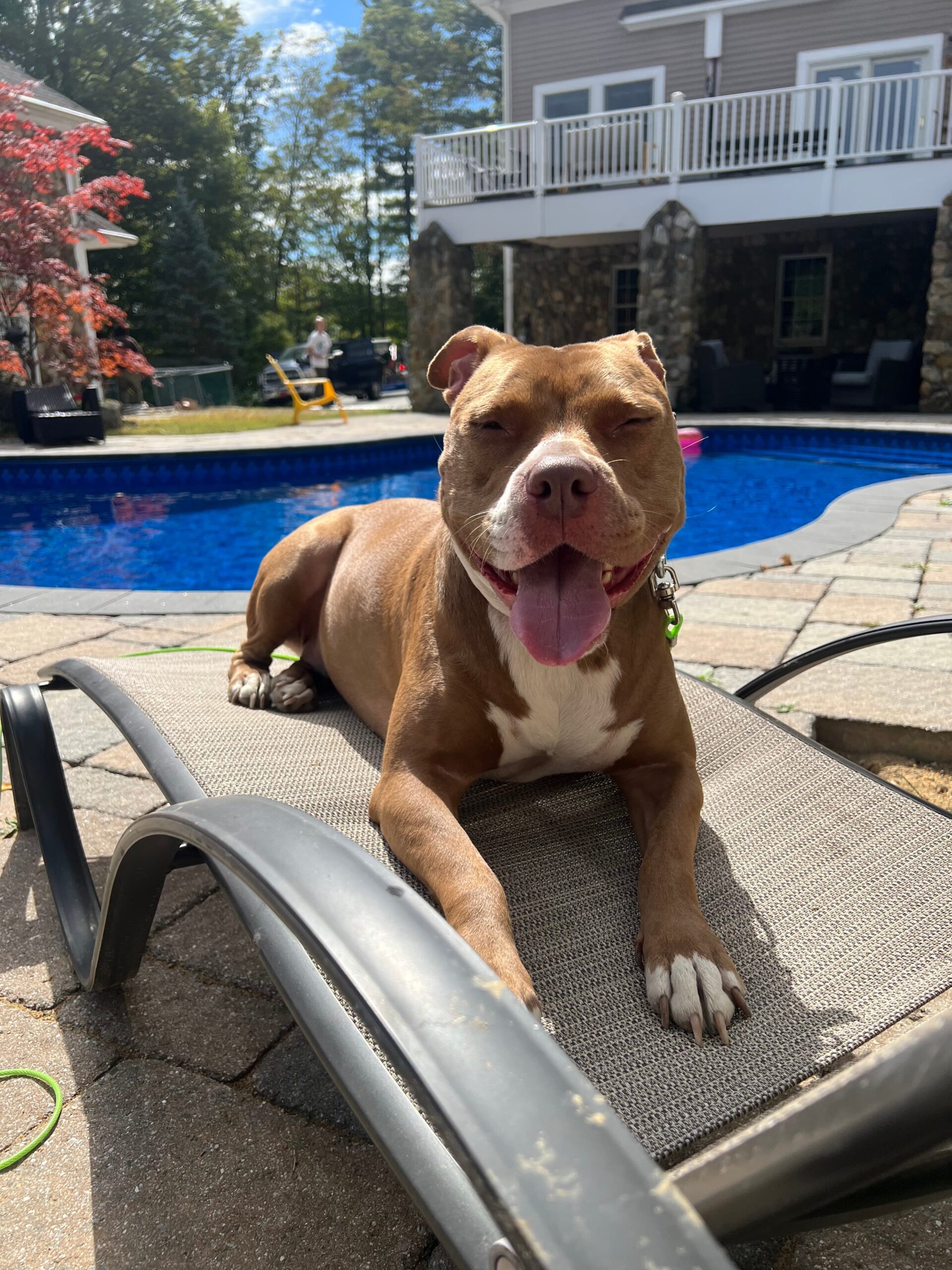
These dogs are often emotional, athletic, sensitive, loyal, and driven. With structure, calm communication, boundaries, and proper social exposure, they can become stable, confident, and deeply reliable companions.
Clear expectations, boundaries, and routines help powerful dogs feel secure.
Training focuses on calm behavior around people, dogs, movement, and stimulation.
The dog’s success depends on consistent leadership that continues beyond training.
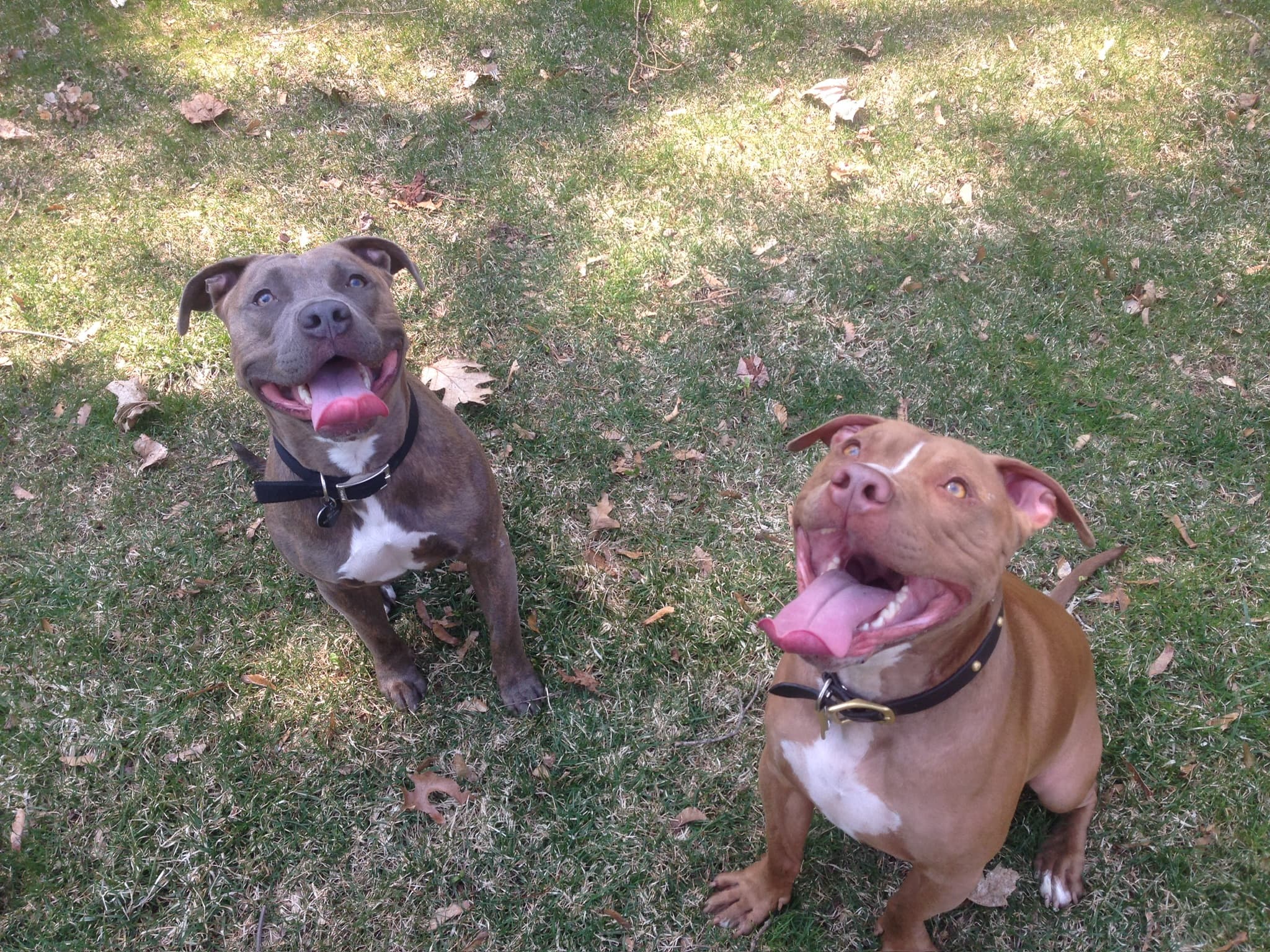
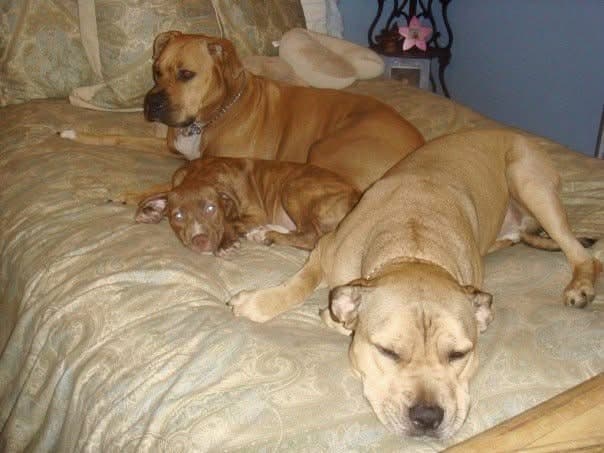
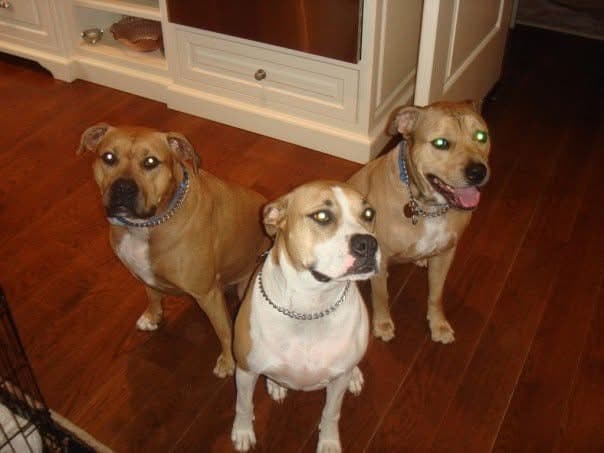
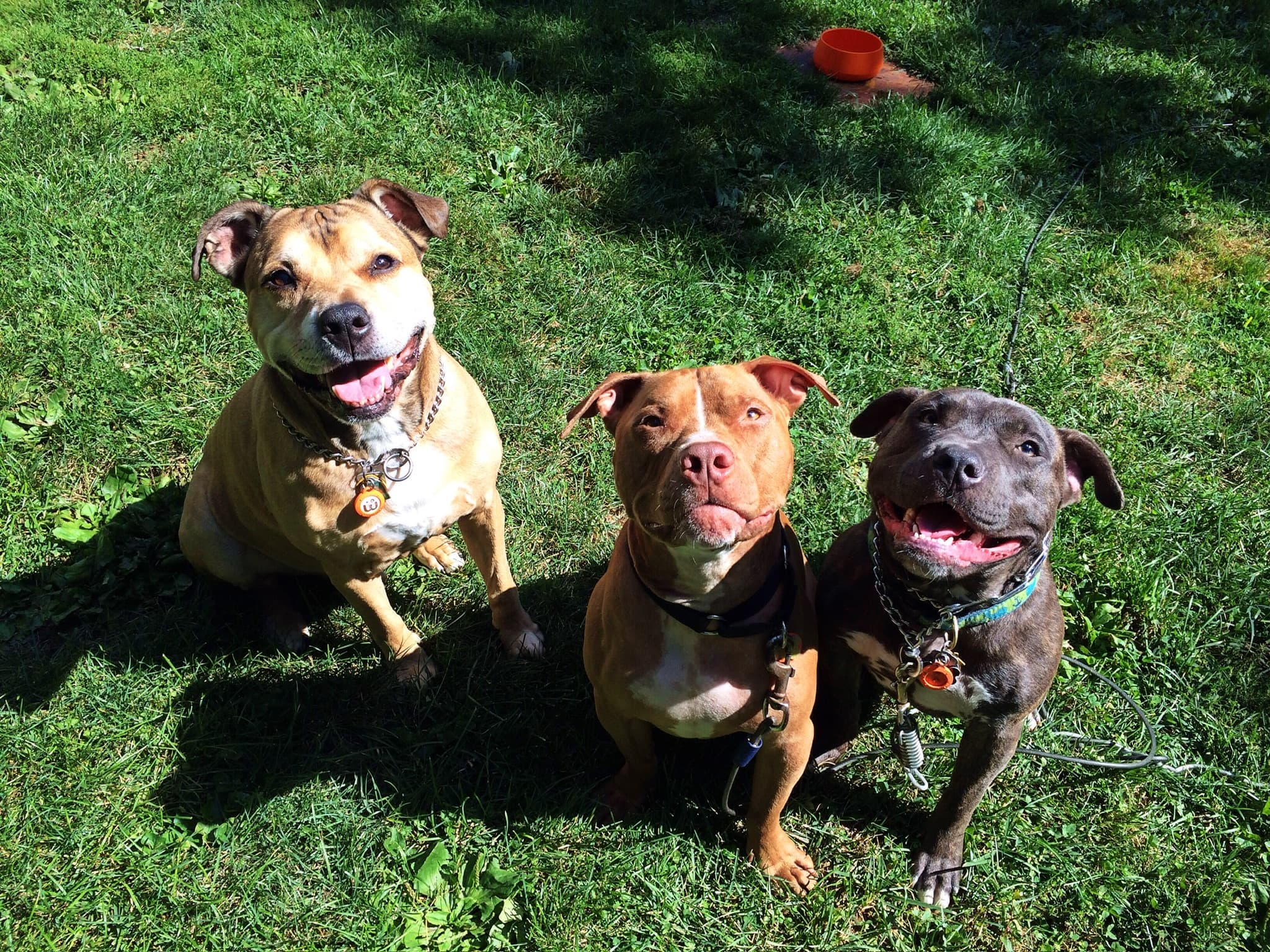
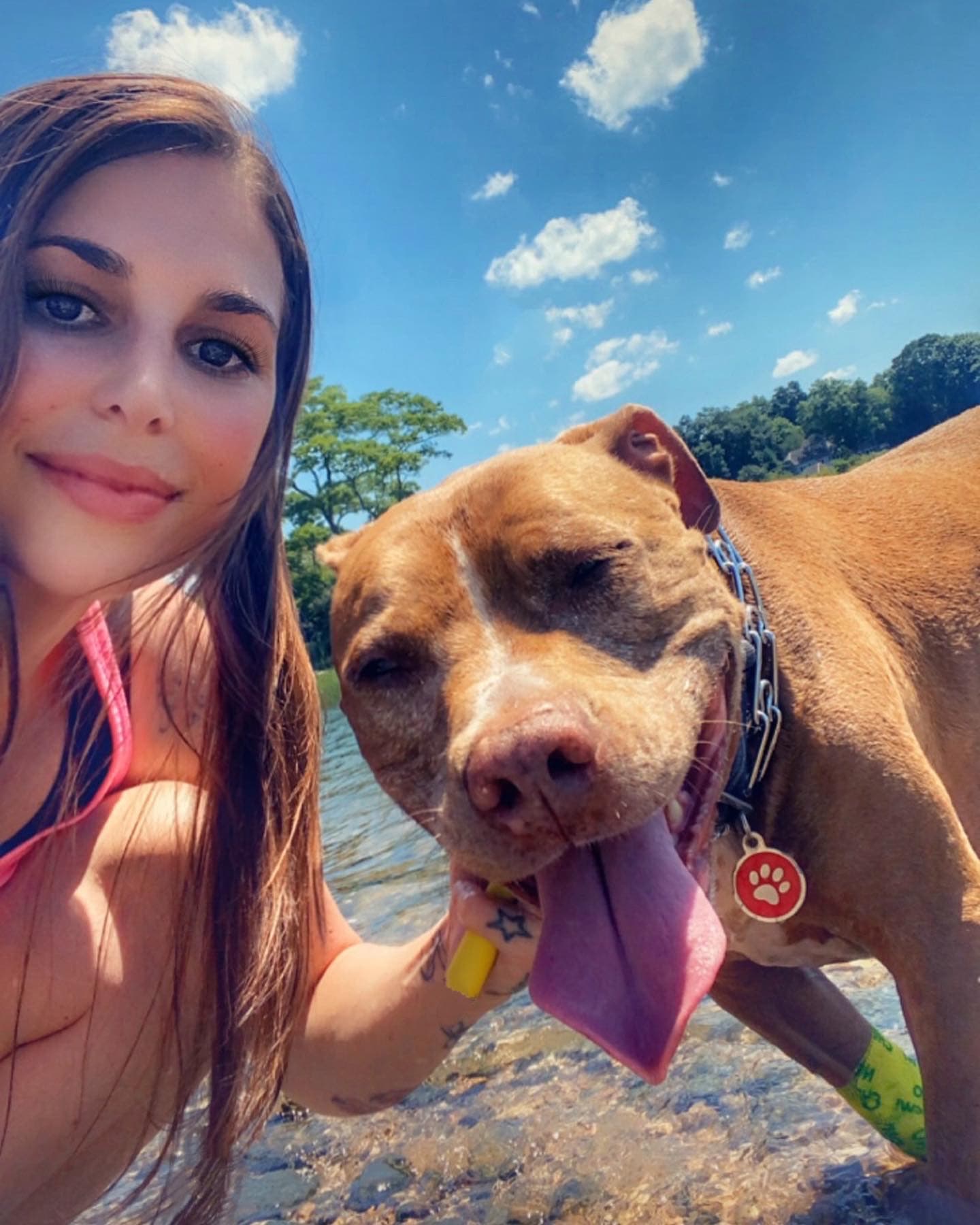
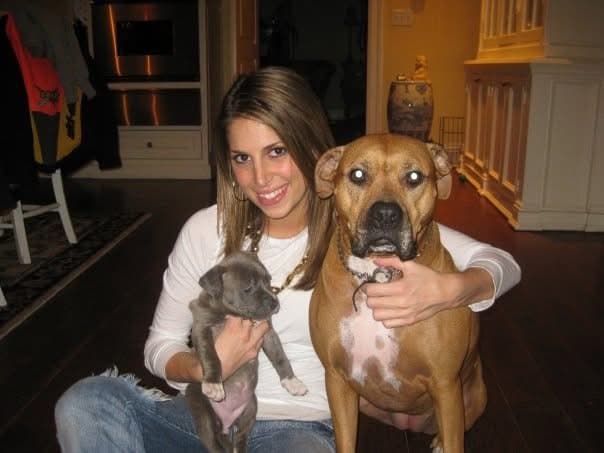
From the moment Kindred Canine Co. first welcomed an American Pit Bull Terrier, everything changed. What started as falling in love with one dog became a nearly 25-year mission — rescuing, rehabilitating, and advocating for one of the most misunderstood breeds in America.
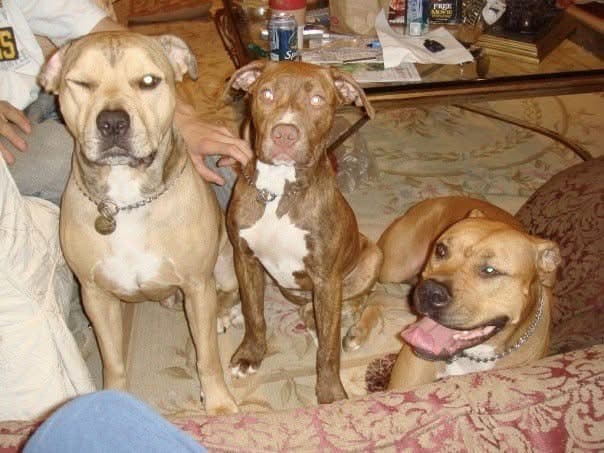
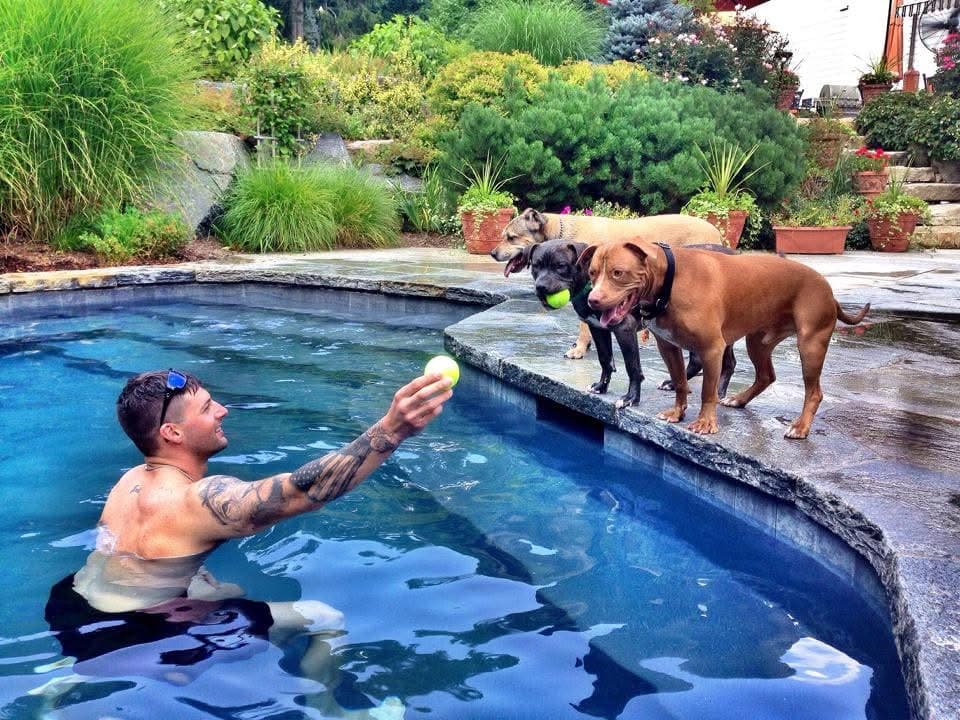
Two Pit Bulls in college. Foster after foster. Dog after dog. Each one reinforcing the same truth: these dogs don’t need to be feared. They need to be understood, structured, and given a real chance.
That mission continues to shape every training program, every rescue discount, and every dog supported through Kindred Canine Co. today.


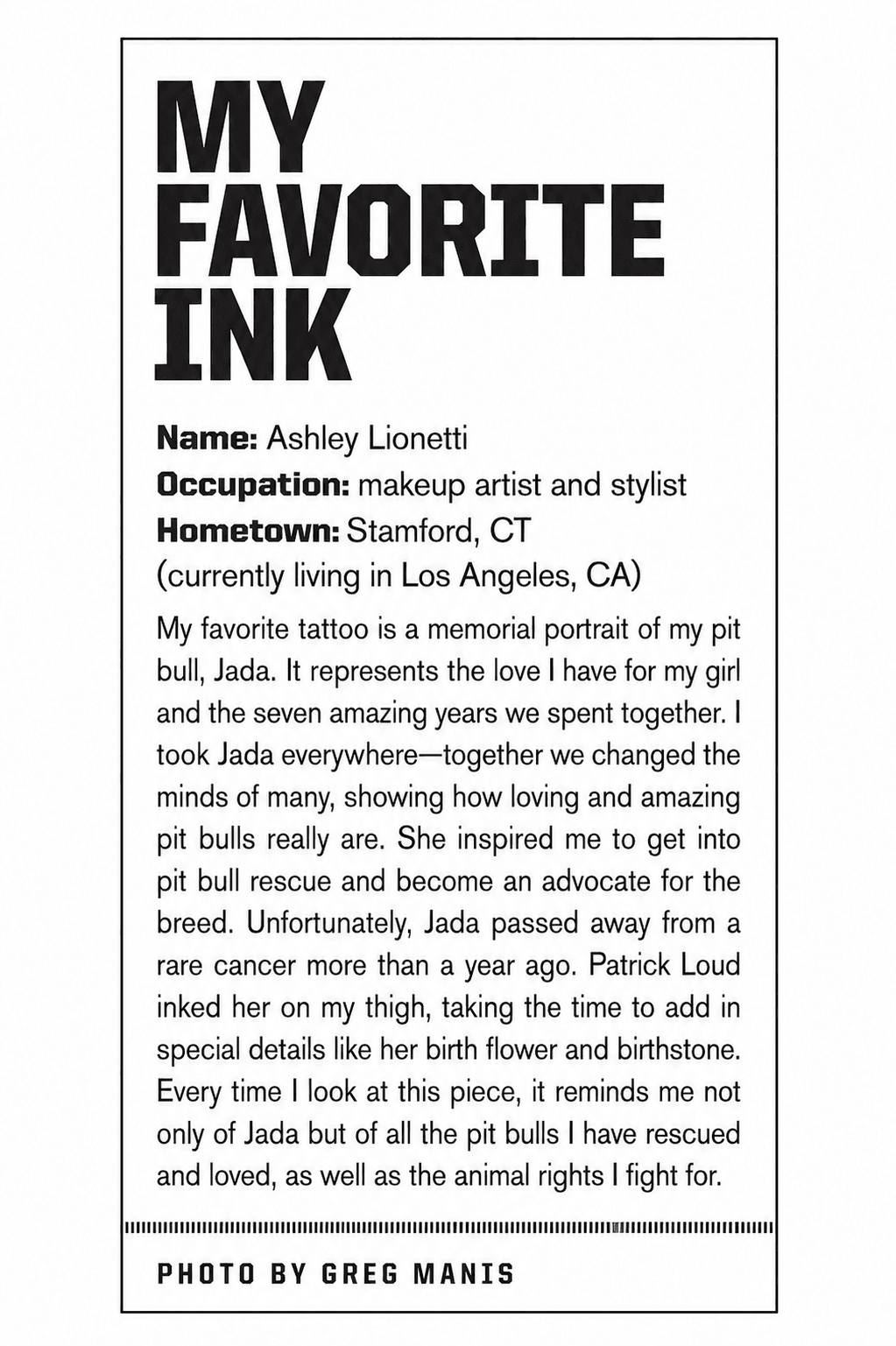
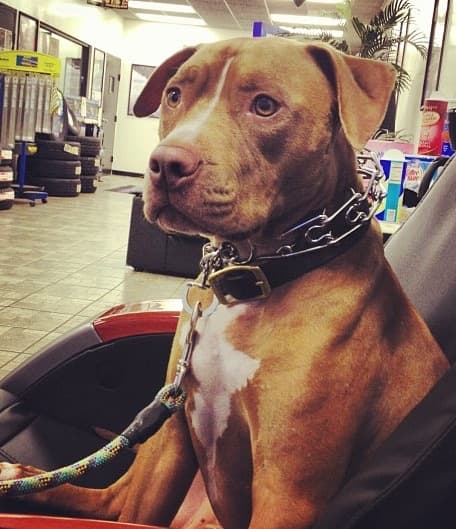
Inked Magazine, My Favorite Ink, September 2012
This program is at the core of Kindred Canine Co.
Built from years of hands-on work with Pit Bulls, AmStaffs (American Staffordshire Terriers), American Bullies, and other bully and power breeds, the goal is simple: change the narrative through structure, training, and real-world results.
What started with my first personal APBT almost 25 years ago quickly grew into a lifelong passion for rescue, advocacy, education, and responsible ownership. After discovering the overwhelming number of bully breeds abandoned in shelters and rescues across the country, I dedicated myself to helping change perception through awareness, training, and real-world representation.
The Bully Breed Ambassador Program offers affordable, accessible training with rescue and program-based discounts available for eligible dogs. Whether newly adopted or simply in need of guidance, this program focuses on creating calm, reliable, well-mannered dogs that people remember for the right reasons.
Training goes beyond basic commands. It’s about structure, communication, and control in real-life environments — in the home, on walks, and out in the world.
This program also supports the bigger picture. I work alongside local rescues and shelters, offering guidance, continued education, and opportunities for owners to stay involved through training support and community involvement.
It’s about building a network of well-trained, well-represented dogs out in the world — dogs that shift perception and become true ambassadors for their breed.
Because these dogs aren’t the problem. They just need the right leadership.
Rescue and program-based discounts available for eligible dogs. Contact Us to learn more.
Book a Consultation →Pit Bulls, AmStaffs, Staffordshire Terriers, and bully breeds have always held a special place in my heart — not because they are easy, but because of who they are at their core.
They are deeply human-oriented dogs. A well-bred, well-raised bully breed typically wants one thing more than anything else: connection with its person. They are expressive, emotionally intelligent, affectionate, loyal, sensitive, and incredibly intuitive with human emotion and energy.
They feel things deeply. Many bully breeds thrive on physical closeness, affection, and simply being near their people. Some of the strongest bonds I’ve ever experienced came through small daily rituals — training together, relaxing together, and building calm one-on-one trust.
Without structure, they can become overstimulated, reactive, or anxious. But when properly guided, they often become some of the most stable, affectionate, and rewarding companions imaginable.
I also believe bully breeds are among the most misunderstood dogs in the world. Too often, people confuse power with aggression. Advocacy starts with behavior. Every calm walk, polite interaction, and well-trained dog changes perception in real time.
“Every calm walk, polite interaction, and well-trained dog changes perception in real time.”
Power breeds, working dogs, herding breeds, and northern breeds were all developed for different purposes and should not be trained exactly the same way. Their motivations, drives, and behavioral tendencies are often very different — and understanding those differences allows training to be tailored to the individual dog rather than forcing every breed into the same system.
Many working and herding breeds are highly environmental — they naturally scan, patrol, monitor movement, and seek tasks. Many bully breeds, by contrast, are more human-focused, placing a higher value on connection with their people than constant environmental stimulation.
Neither type is better. They are simply different.
“With powerful dogs comes greater responsibility. Clear communication, leash skills, structure, and proper handling are non-negotiable — the goal is reliable, stable dogs that can successfully exist in the real world.”
American Pit Bull Terrier (APBT), American Staffordshire Terrier (AmStaff), Staffordshire Bull Terrier, American Bully
American Pit Bull Terrier (APBT), American Staffordshire Terrier (AmStaff), Staffordshire Bull Terrier, American Bully, Rottweiler, Doberman Pinscher, Cane Corso, Dogo Argentino, Boerboel, Bullmastiff, English Mastiff, Kangal, Great Dane, Saint Bernard, Irish Wolfhound
German Shepherd, Belgian Malinois, Dutch Shepherd, Doberman Pinscher, Rottweiler, Giant Schnauzer, Cane Corso, Black Russian Terrier, Bouvier des Flandres
Border Collie, Old-Time Scotch Collie, Australian Shepherd, Australian Cattle Dog (Heeler), Shetland Sheepdog (Sheltie), German Shepherd, Belgian Malinois, Dutch Shepherd
Siberian Husky, Alaskan Malamute, Samoyed, Akita, Shikoku, Kai Ken
American Pit Bull Terrier (APBT), American Staffordshire Terrier (AmStaff), Staffordshire Bull Terrier, American Bully
Connection, structure, neutrality, leash skills, emotional regulation, and responsible leadership.American Pit Bull Terrier (APBT), American Staffordshire Terrier (AmStaff), Staffordshire Bull Terrier, American Bully, Rottweiler, Doberman Pinscher, Cane Corso, Dogo Argentino, Boerboel, Bullmastiff, English Mastiff, Kangal, Great Dane, Saint Bernard, Irish Wolfhound
Clear communication, leash control, impulse control, confidence, and safe real-world handling.German Shepherd, Belgian Malinois, Dutch Shepherd, Doberman Pinscher, Rottweiler, Giant Schnauzer, Cane Corso, Black Russian Terrier, Bouvier des Flandres
Drive management, obedience under distraction, task clarity, confidence, and handler awareness.Border Collie, Old-Time Scotch Collie, Australian Shepherd, Australian Cattle Dog (Heeler), Shetland Sheepdog (Sheltie), German Shepherd, Belgian Malinois, Dutch Shepherd
Environmental neutrality, calm state of mind, impulse control, movement control, and structured outlets.Siberian Husky, Alaskan Malamute, Samoyed, Akita, Shikoku, Kai Ken
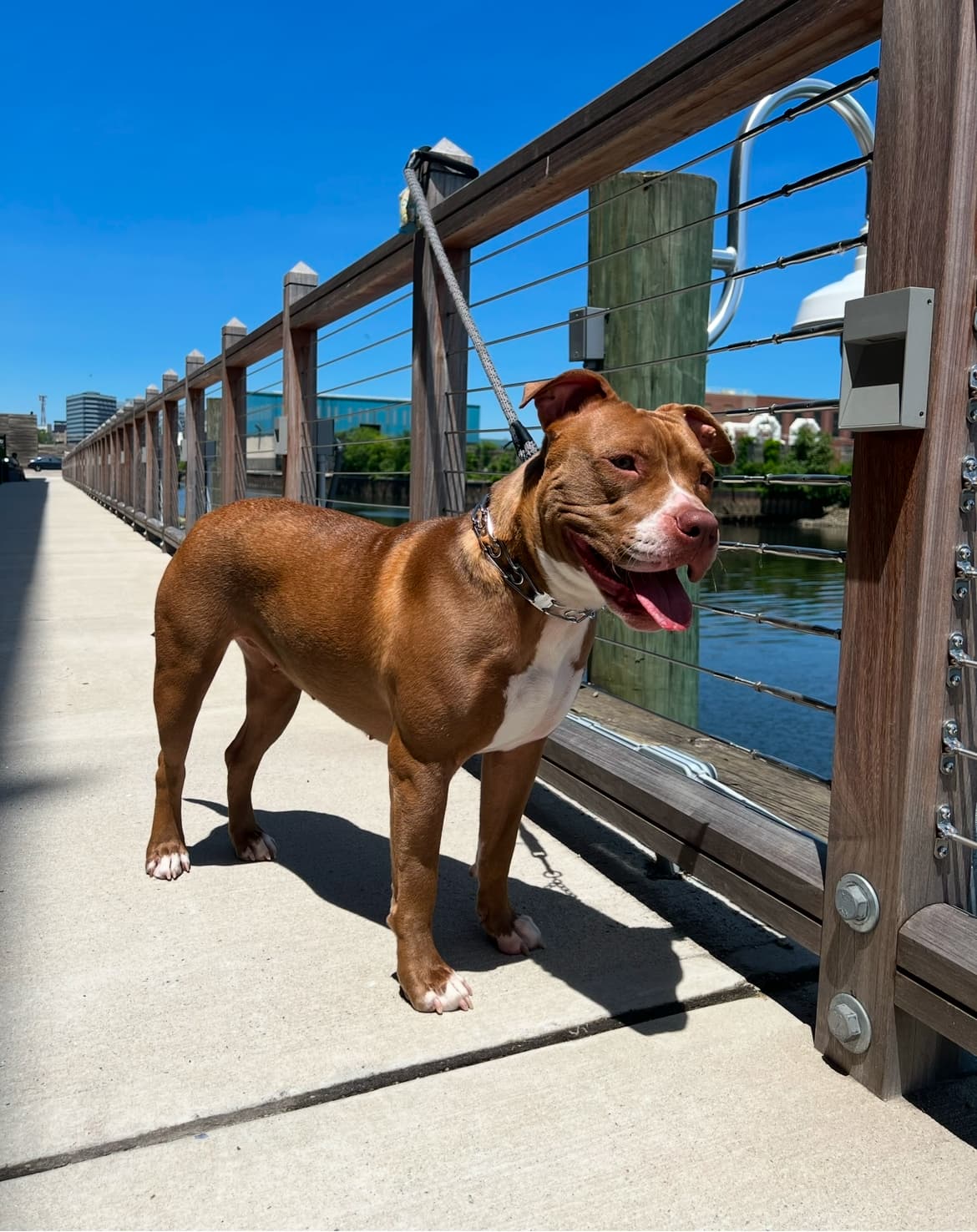
Consistency, recall foundations, leash manners, engagement, boundaries, and reliable everyday structure.Real training moments — from structured walks to calm handling, leash communication, confidence building, and real-world behavior around everyday distractions.
Whether your dog needs confidence, leash manners, better communication, neutrality, or a complete reset, Kindred Canine Co. helps build calm, reliable behavior that carries into real life.
Understand your dog’s behavior, drive, and training needs.
Create structure that works inside the home and out in the world.
Build calmer handling, stronger communication, and better reliability.